Trail Camera Video Montage – “Best Of”
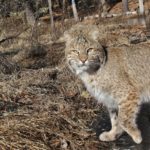
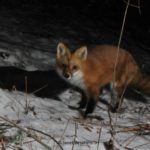
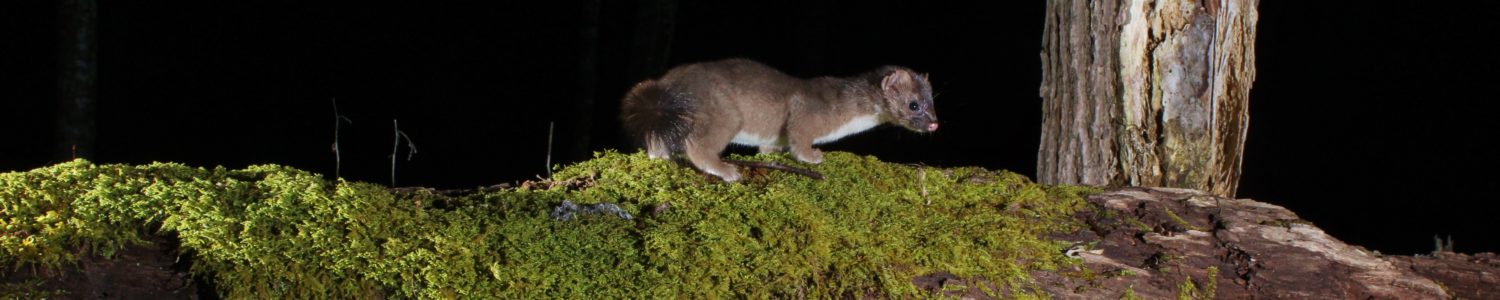
Video montage of my favorite trail camera video clips and photos from late 2015 through 2018.
Continue reading →
Video montage of my favorite trail camera video clips and photos from late 2015 through 2018.
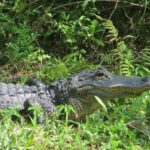
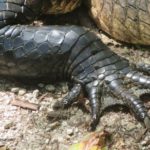
Continue reading →As large, common reptiles, alligators create abundant and rather obvious sign where they range in the southeastern US. So the challenge is in recognizing their spoor rather than in finding it. In this post, a sequel to Alligator Tracks and … Continue reading →
Once on the brink of extinction, the American alligator, Alligator mississippiensis is now common within its range in the southeastern US. In fact, it’s abundant in some areas and I got to see this firsthand while exploring the cypress swamps … Continue reading →
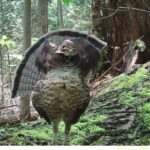
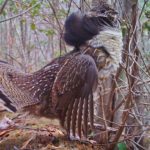
Many galliform birds (heavy bodied, ground feeding, chicken like birds) “strut” as part of their territorial and courtship rituals. Perhaps the wild turkey and the pea fowl, with their large, fanned tails, are the most familiar strutters, but ruffed grouse … Continue reading →
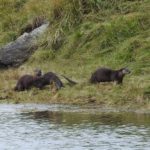
While otters are reputed to be playful, I’ve had the pleasure of observing wild river otters playing only twice. The first was in person at Yellowstone National Park in late September, as a pair of otters wrestled while another relaxed … Continue reading →
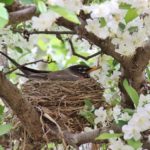
This year, a family of American robins nesting in our pergola provided a great opportunity for me to capture the entire process with a trail camera. I noticed the nest one day while tending to my garden and quickly mounted … Continue reading →
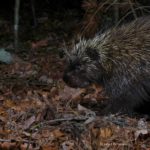
The North American porcupine, Erethizon dorsatum, is thought to be generally solitary except for brief mating associations in autumn and mother-baby pairs in spring and summer. However, I believe I have some video footage of porcupines playing together in winter. … Continue reading →
Most birds, the ruffed grouse among them, have a preening gland, also called the uropygial gland, on the rump at the base of the tail. It secretes a rich oil of waxes, fatty acids, fat, and water that is used … Continue reading →
The sound of a male ruffed grouse drumming may be subtle, but the accompanying display is flamboyant. The low pitched drum alerts females in the vicinity to the presence of a male, and if her interest is piqued, she may … Continue reading →
Pronghorn tracks and scat are similar to those of deer, but tracks differ in 2 important ways, and contextual clues help distinguish scat.
Continue reading →